How Design Found Intention: The Evolution of Human-Centric Spaces
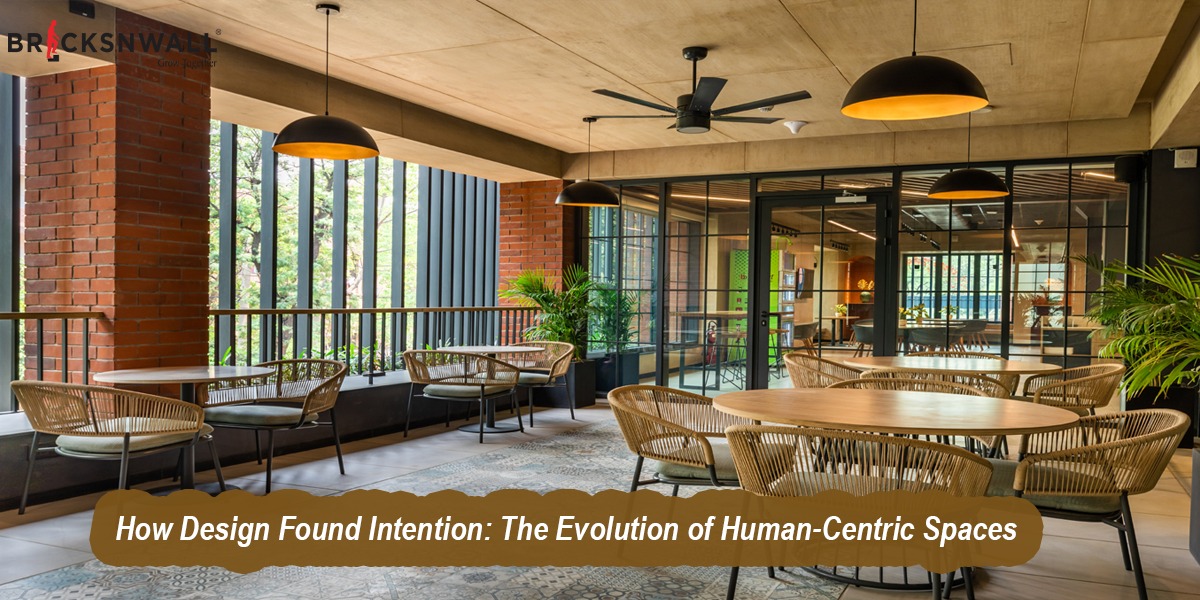
Interior design that puts people first is a
big step forward in how we think about and build living and working
environments.
This method puts people's needs and
well-being at the center of the design process. It makes spaces that are nice
to look at, but most importantly, they work well and fit the needs of the
people who live in them every day.
What does it mean to design interiors with
people in mind?
Putting the person at the center of the
design process is what human-centered interior design is all about. The basic
goal is clear from away: to make settings that are more useful and comfortable
by carefully thinking about people's physical, mental, and emotional
requirements.
In this case, designers need to think about a
lot of things that affect how people feel in and with spaces. Among these,
safety and ergonomics are quite important. The first one makes sure that the
furniture and room layouts fit the users' bodies. The second helps keep people
safe and stimulates the building of places that make people feel safe and calm.
Every design choice, from the beginning to
the end, is based on the mental and physical health of the people who will live
there. This means that design needs to consider all the things that can improve
mood and mental health, like natural light, good air quality, good sound, and
the presence of natural components. Environmental sustainability is another
important part of this method, and it encourages the use of materials and
energy-efficient solutions that are good for the environment.
The problems with interior design that
focuses on people
Using a human-centered approach to interior
design is a new way to plan and build living and working environments, but it
also comes with a lot of problems. First and foremost, it is important to
completely understand the demands and expectations of end users, which might
change a lot based on things like their age, ability, lifestyle, and personal
preferences. This necessitates meticulous analysis and investigation during the
pre- and post-operational phases, frequently incorporating interviews, field
observations, and behavioral studies.
Also, people's needs and wants often go
beyond what the technical and regulatory requirements of the procedures say
they should. So, designers have to deal with construction codes and safety
standards while also striving to make spaces that really fulfill the demands of
the people who will use them. To keep this balance, you need to be able to
listen, be creative, and be open-minded at each stage of the design process.
The benefits of interior design that focuses
on people
Even if it can be hard, the human-centered
approach to interior design can greatly improve people's quality of life and
health. Making services that meet the physical and mental demands of users in
both physical and digital settings is a great way to boost physical and mental
health, lower stress, and make people more comfortable and productive.
Design that puts people first not only helps
individuals, but it also actively encourages inclusivity and accessibility.
Taking into account varied talents and special needs throughout the planning
phase makes places more equitable and welcoming for everyone. This method not
only makes life better for persons with impairments, but it also makes places
more flexible and adaptive to the many stages of each user's life.
From a market point of view, on the other
hand, using this method gives you a big edge over your competitors. Companies
and professionals who focus on human-centered design can stand out by providing
personalized solutions that meet the demands of each user. These specialists
stand out from the competition because they pay close attention to details and
customize their work, which makes customers happier.
Best practices and case studies
Some of the main ideas that helped these
kinds of programs work are:
Getting
feedback and testing from end users during the design phase.
Making
environments that can change to fit varied requirements and activities.
Paying
attention to the little things that affect comfort and health, such
lighting and sound.
Bringing
technology into the mix in a way that is easy to understand and doesn't
get in the way.
Skills and training for designing interiors
with people in mind
To be good at human-centered interior design,
you need to learn more than just design abilities. individuals who work in this
sector need to know about ergonomics, environmental psychology, and social
sciences so that they can fully grasp and analyze how individuals interact with
the places around them.
You also need transversal skills. To really
understand what others need, you need to be able to put yourself in their
shoes. Problem-solving abilities help you come up with creative ideas that
create a balance between form and function. Also, being able to work in teams
with people from diverse fields is vital because this method typically demands
working with specialists from other fields.
The core competency of a professional in this
domain is their capacity to discern user requirements, analyze intricate data,
and convert these insights into unique solutions. This capacity to mix form
with function is what makes human-centered design so unique, interesting, and
gratifying.