What is building in modules? Everything You Need to Know
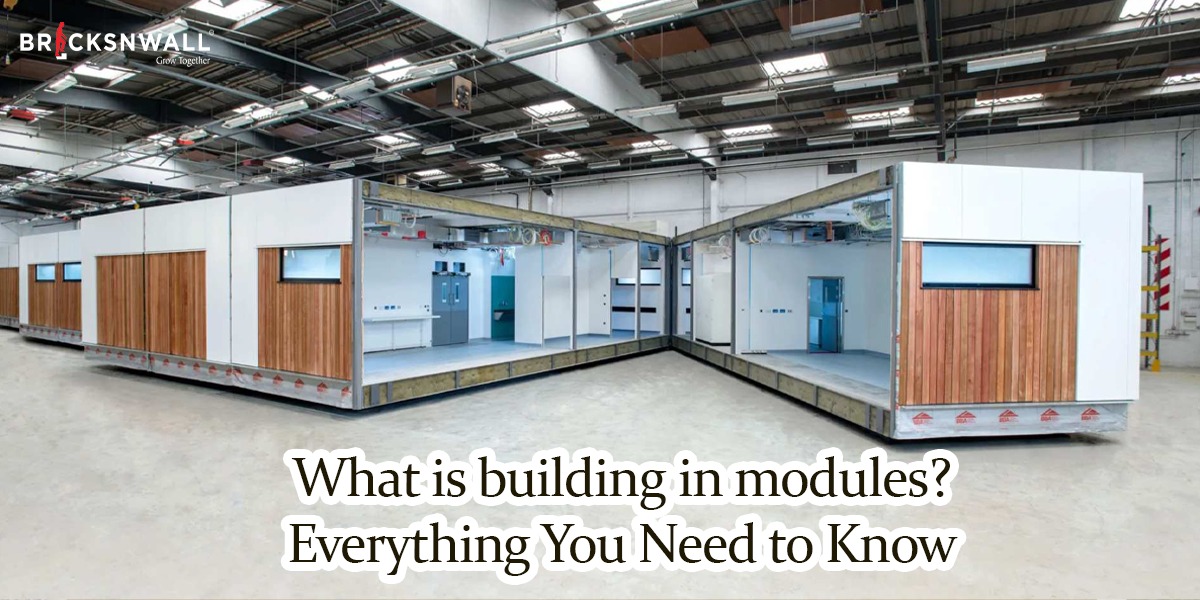
Modular construction is a method of building
that uses the same materials and follows the same rules and requirements as
traditional building, but it takes around half as long. The building is erected
off-site in a controlled environment. Buildings are made in "modules"
that, when put together on site, look exactly like the most advanced site-built
building, with no compromises.
More Green
The factory-controlled approach makes less
waste, causes fewer problems on the job site, and lets for tighter construction.
More flexibility and reuse: Modular buildings can be taken apart and the modules moved or fixed up
for a new use. This lowers the requirement for raw materials and the amount of
energy needed to build a new building to satisfy the new need.
Less Waste: When
you create in a factory, you recycle materials, keep track of your inventory,
and safeguard your building materials, so you don't waste as much.
Better Air Quality: The modular structure is mostly built in a factory-controlled setting
with dry materials, so there is no chance of a lot of moisture getting trapped
in the new building.
Quicker
While site work is going on, modular
buildings are being built at the same time. This means that projects can be
finished in half the time of traditional construction.
Shorter Construction Schedule: Modular structures can be built at the same time as the site and
foundation work, therefore projects can be finished 30% to 50% faster than with
traditional construction.
No Weather Delays: 60 to 90% of the building is done within a facility, which lowers the
chance of weather delays. People move into buildings sooner, which means a
quicker return on investment.
Built to Code with Quality Materials: Modular buildings are built to the same building codes and standards as
site-built buildings, and they use the same materials that architects specify
for conventionally built buildings, such as wood, concrete, and steel.
More Intelligent
The same materials, building codes, and
architectural standards are used to build modular buildings as they are to
build regular buildings. Once put together, they look almost exactly like the
ones produced on site.
Safer Construction: Building indoors lowers the chances of accidents and the costs that
come with them for workers.
Building & BIM that are better designed: PMC uses modern BIM for visualization to look at how well the energy is used and find the most cost-effective ways to improve efficiency. This technology works best in PMC because the construction process is already a mix of systems, materials, and people, just like the program itself.
Limitless Design Options: Modular units can be made to match the look of any existing building or
modular unit, and once they are put together, they look almost exactly like the
ones that were erected on site.