High Rise Vs Low Rise Buildings Which Is Better?
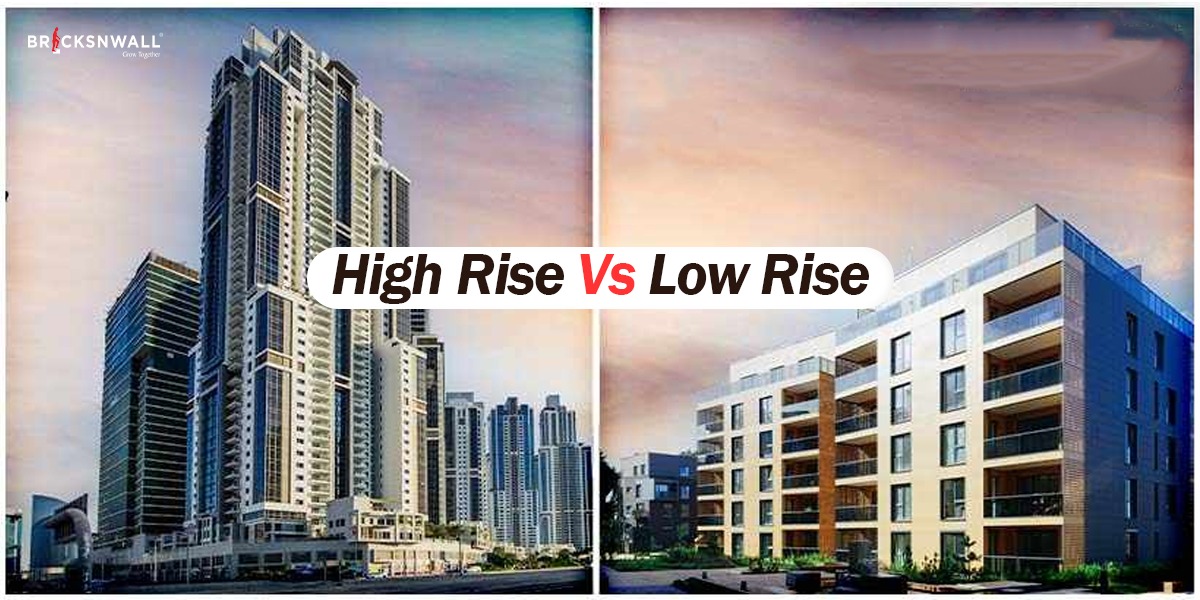
Sky-scraping, tall towers are a common
characteristic in urban areas. In a city you will find buildings of every
description and size. Just like layout, amenities, and location, height is
another significant factor customers consider when acquiring their dream home.
There are those who believe that low rise buildings are best to live in, while
others would prefer to live in society with high rise structures. Some,
including you, might find it hard to decide what to pick from this category.
Both types of buildings and their advantages and disadvantages will be
discussed in this article.
What is a high-rise building?
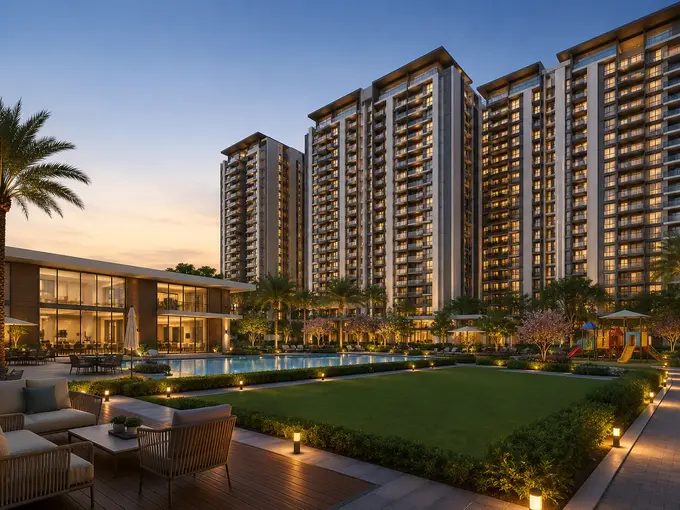
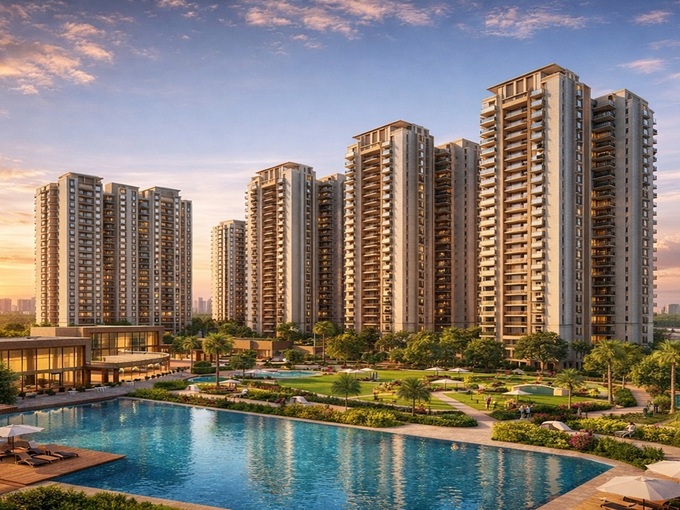
Skyscrapers are tall buildings that soar over
the city skyline. A building with numerous levels, usually constructed for
office, residential, or hotel usage, often having more than ten floors and
inhabited on a continuous basis. These apartments are usually located in the
city and provide spectacular views and modern facilities. When you think about
this type of building think of the perks of urban life and the convenience of
having amenities on your doorstep. Just like the sky apartments, these
buildings provide a luxurious lifestyle with modern conveniences.
Benefits of High-Rise Living
Fantastic city skyline views: The biggest
perk of a high-rise structure is the amazing vista it offers. A high-rise
apartment gives a captivating view that lets you rest after a long day at work
with developers developing beautiful surroundings in gated communities.
Gyms, pools, concierge services and other
modern conveniences: A high-rise is definitely one of the most popular
residential options. The high-rise offers a better living because of a
profusion of amenities like a swimming pool, underground parking, lounge,
dining options, workout rooms, sports courts and many more.
Enhanced security with 24/7 surveillance and
protected entrance systems: The high-rise development adheres to the essential
safety criteria and is equipped with the appropriate equipment and evacuation
processes, which provides a higher feeling of safety and security.
Central location with transit and
attractions: These buildings are frequently located in the middle of the city,
so they’re a wonderful alternative for people who want to be close to public
transportation, restaurants, and entertainment options.
Challenges of Living in High-Rise Buildings
Higher Cost of Living with Amenities and
Location: High-rise apartments are often more expensive than low-rise
buildings, which can make them less affordable for some.
Noise and crowds in metropolitan settings:
These buildings can be noisy and congested, especially in cities, therefore
they may not be ideal for people who prefer a quieter environment.
Elevator efficiency: High rise buildings
depend on elevators which can be slow or unreliable, making commuting during
peak hours problematic. This makes high-rise living less attractive to those
who want convenience.
garbage Management and Space Limitations:
With limited space for garbage disposal and recycling, these flats require
effective waste management solutions such as compactors and recycling programs
to ensure sustainability and cleanliness.
What is Low Rise Building ?
Buildings of only a few stories, usually one
to four stories, are prevalent in suburban and less crowded metropolitan
regions. These structures often provide a more intimate, community-oriented
atmosphere. Elevators are required in high-rise buildings, but not in low-rise
buildings. Most of the time they have direct access to the ground making them
more accessible and easier to navigate, especially for youngsters, the elderly,
or people with mobility concerns.
Benefits of Living in a Low-Rise Building
Better feeling of community: Low-rise
buildings generate a more close-knit environment where neighbors are more likely
to get to know each other. It could engender a good sense of community and
safety.
Convenience and ease of access: No waiting
for elevators, so you can get in and out of your home easier and faster. It
also makes evacuations during emergencies easier.
Less maintenance cost: Buildings of this
nature generally have less common space and fewer shared amenities. This means
that monthly maintenance fees are lower than high rises.
More open space: Low-rise buildings usually
have more open space, such gardens or terraces. It provides a tranquil, green
setting ideal for families and elders.
Improved air circulation and natural light:
Low-rise buildings, having fewer floors, typically benefit from better
ventilation and more sunshine reaching each unit, which increases comfort
inside.
The Difficulties of Living Low-Rise
Fewer amenities: Low-rise buildings might not
have luxury amenities such as gyms, swimming pools or concierge services like
high-rises have. This can be a deterrent for some purchasers.
Less secure: Although low-rise apartments are
usually secure, they may not have the same level of monitoring, gated entry, or
24/7 security officers as high-rise complexes.
Limited availability in urban centres:
Low-rise buildings are uncommon in heavily populated city regions since there
is a scarcity of land. This can make them more difficult to find and
potentially more costly owing to exclusivity.
Lower resale value: High-rise homes may
appreciate faster in particular regions owing to location and features, which
could impact investment decisions.
High-Rise Building Vs Low-Rise Building
The buildings represent different types of
buildings, each building shows a unique architectural trait, according to the
size and height of the buildings. Low rise and high rise are names that were
named for different categories of buildings based on the number of storeys that
they contain . These distinctions have a huge impact on design, construction
and functionality.
The main factors are:
Space And Layout
The structures are tall to make the best use
of the available area. This means that while living quarters may be smaller,
they’re frequently more functional and better designed. Spectacular vistas from
the upper levels of high-rise buildings may be an attractive feature for
occupants. In comparison, low rise apartments offer more flexible layouts and
potentially larger living areas, with more outdoor space and natural light.
This generates a sense of openness and airiness, making low-rise buildings an
excellent alternative for those who enjoy space and comfort.
Services and Facilities
Typically, tall buildings offer a number of
amenities and services, including gyms, pools and concierge services. Many
high-rise buildings also have on-site restaurants, cafes and stores, offering
inhabitants a convenient and pleasant lifestyle. In addition, many high-rise
buildings have 24/7 maintenance and support staff to make sure any problems or
concerns are dealt with in a timely manner. On the other hand, low-rise
buildings could be without facilities but with more tailor-made services. They
often offer more intimate, community-focused amenities, including community
gardens or shared outdoor spaces, and may have easier access to outdoor
amenities like parks or gardens.
Cost of Living
High rise buildings are usually more
expensive due to their great location, opulent amenities and high end
finishing. Those who live in high-rise buildings will pay more for utilities
and maintenance, but they get to live with luxurious finishes and high-end
appliances. On the other hand, low-rise buildings are more inexpensive
solutions, with reduced utility bills and reduced maintenance fees and property
taxes. Features like these make it a more affordable option for individuals who
wish to conserve money without losing comfort and convenience.
Safety & Security
Safety and security are a priority in
high-rise buildings with advanced security systems, secure entrance systems and
security officers on duty 24/7. In addition, many high-rise buildings include
CCTV cameras to ensure the safety and security of the residents at all times.
Low-rise buildings may have fewer security measures, but they do provide a
sense of community and neighbourly watchfulness. Low-rise building residents
also have easier access to outside spaces and emergency services, giving them
an extra layer of safety and security.
Community & Lifestyle
Skyscrapers tend to be related to an urban,
fast-paced lifestyle with a feeling of excitement and energy. Living in a
high-rise also offers greater options for socialising and networking, with many
buildings providing community events and activities. Rather, low-rise buildings
create a more relaxed, community-oriented ambiance that promotes a sense of
community and belonging. Low-rise buildings are an excellent alternative for
those who value community and a slower pace of life, as they offer residents
more options for outdoor activities and natural connection.
What’s The Best Building Type For You
When deciding on the style of building best
suited to your needs, think about these important criteria before you make your
choice:
Evaluate Your Priorities
Consider what is most important to you in a
living environment.
Think about a high-rise with cheaper options
or a low-rise apartment with convenient amenities.
Find a high-rise apartment that has efficient
layouts or a low-rise building that offers flexible space alternatives.
Create a list of your requirements and wants,
and then rank them in order of importance.
Think About Your Location
Think about the kind of environment you want
to live in.
Find a high-rise building in a suburb or a
low-rise building in an urban community.
Research local crime stats, chat to locals,
visit the neighborhood at various times.
Get to know the area and prioritise buildings
that fit your demands.
Long-Term vs Short-Term
Think about the benefits and cons of each
form of building for your future ambitions.
Think of a low-rise structure with more room
or a high-rise with family-friendly features.
Research the local real estate market, seek
advice from professionals and also consider considerations such as location and
facilities.
Prioritise flexibility and look for buildings
in handy locations or with flexible layouts
Summary
In conclusion, the choice between high-rise
or low-rise buildings really depends on your priorities, lifestyle and personal
preferences. Both types of buildings have their own distinct advantages and
challenges. If you must pick between two kinds of buildings, think about your
priorities, location and long-term ambitions. Decide what is most important to
you: space, facilities, affordability, safety, community, etc. Examine the
advantages and cons of each option thoroughly. Whether you pick the sky high
apartments of a high rise building or the homely charm of a low rise structure,
ensure it fits your idea of the perfect living environment.