Are high-rise apartments worth it or are buyers paying extra for ‘Instagram view’? Internet split over viral post
By Bricksnwall | 2026-05-29
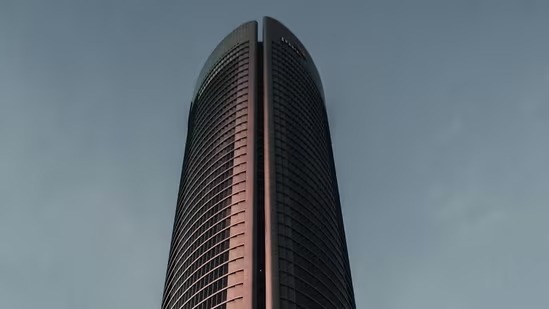
A popular tweet describing a manager’s
experience of living in a high-rise flat has generated a debate online,
questioning if paying a premium for upper-floors is worth it
A social media post highlighting 13 downsides
to living in a high-rise apartment from the perspective of a user's manager has
ignited an online debate about whether the price of luxury higher floor living
is truly worth it.
The post says that the manager bought a
property on the 21st floor for ₹1.5 crore, but after 4 years he became fed up
of the practical issues of living so high and decided to sell.
The ‘X’ post depicted the drawback of living
in high-rise residences. It mentioned problems including dust, lift breakdowns,
bad mobile coverage, crowded lifts and difficulties with deliveries to higher
floors. ‘Big products don’t fit in the lift so workers take them up the steps
and charge extra every time,’ it read.
Many people agreed with the worries and
labeled high-rise living difficult but others supported upper-floor flats
saying that they provide more privacy, ventilation, sunlight and views. The
talk soon evolved to a broader discussion about whether luxury high-rise houses
provide real comfort or pricey compromises.
The advertisement said the flat had a great
view of the skyline — but the attraction reportedly wore off in weeks. The
manager slowly began to think that the disadvantages outweighed the luxury of
living in a high-rise building. He pointed out that the idea that mosquitoes
are not found on upper floors is not true. He also noted the dust and noise
levels were higher than predicted because there were no trees or buildings
nearby at that height to serve as barriers.
“They said the upper floors have no
mosquitoes. Biggest swindle ever. But do those who live on the 15th story and
up really like living in a high-rise apartment? Or are we all simply being
billed more for a better Instagram view?
The only thing wonderful about the 21st floor
was the view. It got dull after 2 weeks. The post indicated difficulties
continued for 4 years.
“People buy high floors for the status and
the skyline views. But true comfort is convenience, accessibility and peace of
mind. Sometimes, lower levels or even a separate house makes more sense than a
sky-high address,” added the post.
The post also pointed out a few lifestyle
disadvantages. The manager, it was said, became Vitamin D deficient since he
could not get sunlight and spent less time outdoors. “It was often inconvenient
to go down by the lift for walks.
There was a problem with delivering heavy
items, with lifts sometimes being crowded and extra manpower expenses for
lugging cumbersome furniture upstairs. The post said the lift cellphone signals
were unstable and the network connectivity on the higher floors was inadequate
and botched essential work calls.
“You can’t fit big stuff in the lift. They
lug it up the stairs. They want more …‘He was paying this premium over and
above his EMI for eternity,’ the message read.
Other concerns raised were health and
maintenance. The article said her manager indicated deep-bore well hard water
in high-rise buildings was causing hair fall and skin problems, and winds and
strong sunlight made it difficult to grow plants on balconies.
The manager also felt that it was a sense of
isolation living so high above ground during lockdowns, since it was not as
easy to go out casually as it was for residents on lower floors.
“The lift is like a local train, slow,
stopping at every floor with kids often pressing every button,” said the
post.
The assertion was also made that people in
upper levels pay more for their electricity bills even though they use the same
equipment. “My co-worker on the ground floor has the same AC but is paying
less. “Most electric meters are in the basement so longer wiring to the upper
floors means more of a loss of power and higher bills in the long run,” the
user stated.
X people have conflicting reviews on living
above ground level
Many users agreed that the biggest downside
is the dependency on the lift, especially in case of breakdowns or emergencies.
Some others pointed out problems such as dust, strong winds, lack of network
connectivity, noise from construction, pollution from factories and difficulty
in taking care of balcony plants on upper floors.
Some reported lower floors had their own
concerns such lack of privacy, noise from traffic, bugs, mice and waterlogging
during storms.
“There is more noise at the lower floor
though because of the traffic outside. So I agree with majority of points.
“It’s a trade-off we need to settle,” one X user stated.
Some users said autonomous homes or
farmhouses provide a more serene, aesthetically beautiful lifestyle than
‘box-like’ apartments in high-rises.
“I don’t like it at all. I think they are
just boxes and would not look good
“I like house in farm,” another message read.
Many tenants, however, defended high-floor
living, saying they enjoy better ventilation, sunlight, privacy and vistas and
have not experienced any of the problems described in the viral piece.
Another user said, “People living on ground
floor or a low rise also have to face problems such as “people dumping garbage
, mosquitos are one thing, coackroach, worms and rats are prevalent at ground,
they have to pay maintenance even though there is no usage of lifts by them,
rain water, privacy.”
Should you get a top story apartment?
Ground floor and top floor flats tend to
fetch a premium and are often released later in the sales cycle by real estate
developers, as these residences tend to command considerable buyer demand. Top
story apartments have many benefits such as more privacy and peace and quiet.
These residences are typically quieter than homes on lower floors, with less
foot traffic, and can feel more safe too. Some of the major advantages are
unblocked views of the skyline, improved natural light and greater ventilation,
which frequently reduce the need for artificial lighting and improve overall
comfort of life, experts added.
But there are certain trade offs with the
lifestyle. They said that inhabitants living on upper levels commonly admit to
feeling uneasy during situations like fire alarms, power outages or elevator
problems. Longer lift wait times are a regular complaint, they said.
Source: Hindustan Times